Happy Start to 2026!
2025 was a year with nuff challenges but it was also a year of wonderful beauty and lovely connections.

That girl Melissa was a real expletive deleted but… Man! Jamaicans are magnificent; the people who have shown up for us have been magnificent. Everyone has a story to tell of someone who showed extraordinary kindness, and at Jamaica Cultural Tours we were reminded of how very special Jamaicans are. The sight of Jamaicans helping Jamaicans has been beautiful to witness.
We have loved serving every single client this year. We’ve had clients from Asia, Europe, Latin America, the Caribbean, North America. You have all been special to us.
The Melissa chapter is far from over, the effects will be felt for years to come. For 2026 our wish is for Jamaica to continue the work of recovery and become more prepared and more climate smart. For you our clients we wish safe and responsible travel, exhilarating explorations, and the recognition that comes from seeing yourself in every new person you meet.
One love,
Jamaica Cultural Tours
Exploring Jamaican Markets
According to the Statistical Institute of Jamaica (STATIN), the agricultural sector contributes 7.1% to the Jamaican economy. Much of the local distribution of farmed products is done through local markets where farmers and middle men offer their wares to householders and businesses. These markets are therefore by extension a vital part of the economy, and millions of dollars flow through them weekly. Markets have thus historically been significant, offering a means of income to large segments of the population, and culturally important as they are literal meeting grounds for many people. As a modern-day place of interest, markets can therefore be an intriguing location to feel a bit of the pulse of Jamaican society.
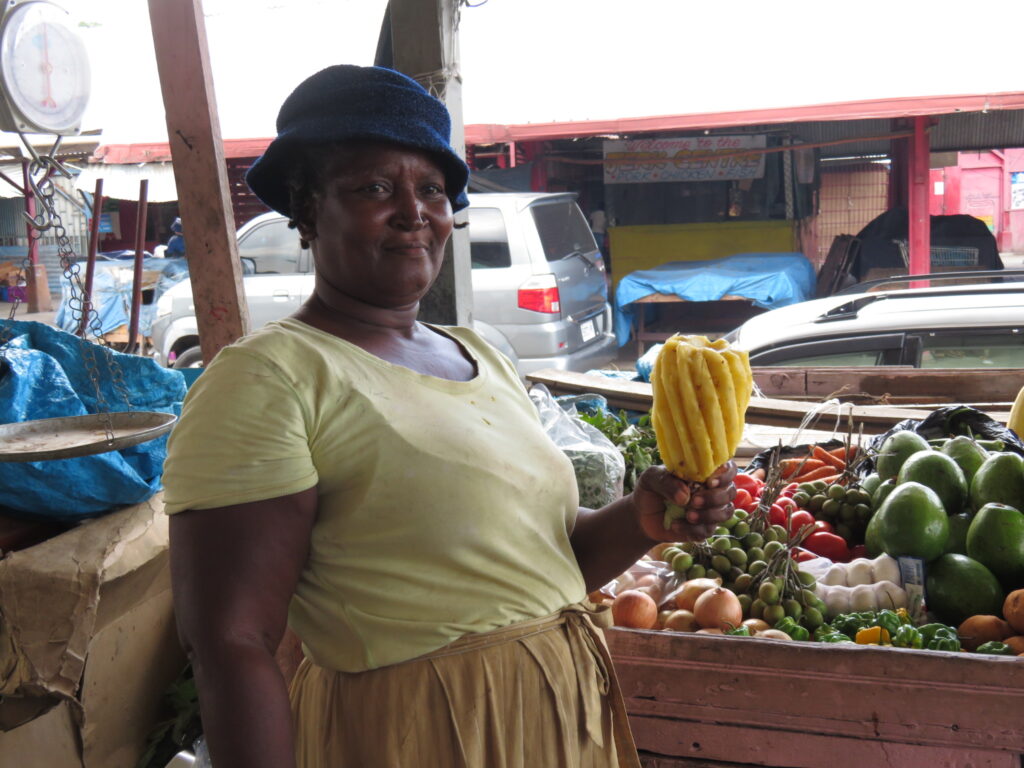
Jamaican society is obviously very hierarchical, even to the casual observer, and this continues as a holdover from slavery and colonialism. During the period of enslavement when sugar plantations dominated – early 16th century to mid 19th century – large plantations would often have markets attached, a prime example being the Papine Market in St. Andrew linked to the Papine Estate. The enslaved would have their own plots of land on which they would grow produce. Some they would keep for themselves, but surpluses they were allowed to sell in markets.
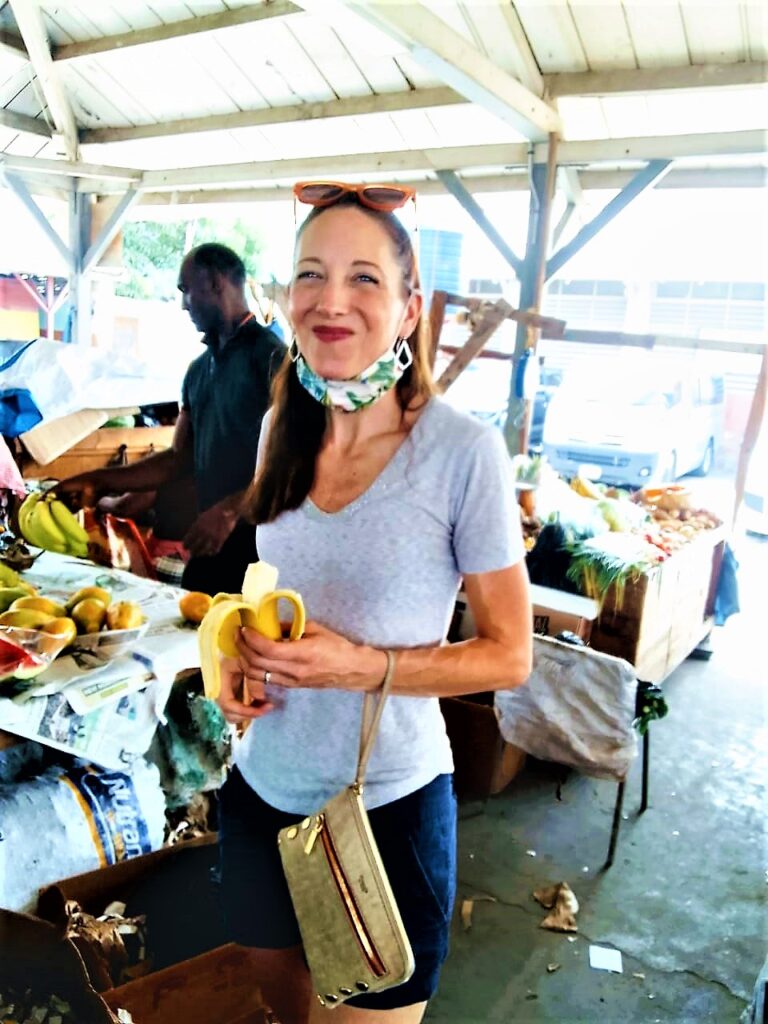
These days, a visit to the market will still show people working hard to make a living. Vendors selling in markets use the income to feed their families and send their children to school. Market day can be a very crowded affair with browsing and bargaining. Householders and businesses looking to get the best prices go to markets and, depending on the location, you can find a mix of Jamaicans there. Depending on the size of the market you can find a range of items from yams, pineapples, and coconuts, to detergent, tissue, and graters, to sneakers, jeans, and school uniforms. And of course, cooked food. Depending on how enclosed the area is you can get a variety of pungent smells, from scotch bonnet peppers to jack fruit (and frankly far less pleasant aromas).
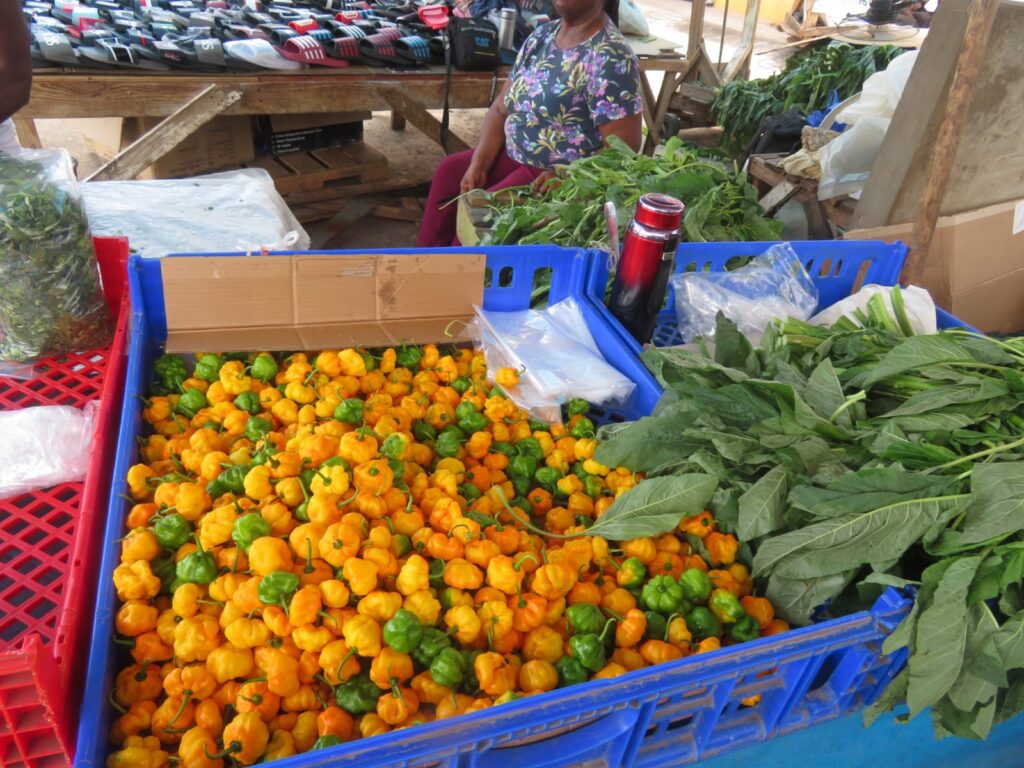
At Jamaica Cultural Tours we mainly visit 2 markets – Ocho Rios Market on our Ocho Rios Walking Tour, and Cross Roads Market on our Kingston food tour. Additionally, on our Kingston Walking Tour we visit the central market district in and around Parade in Downtown Kingston. It’s a vibrant experience with lots of colours, scents, and music. Buying in the market is a great way for visitors to support the local economy and spread tourism dollars to a segment that traditionally does not directly benefit. Done with our guides, you are in excellent hands.
For those interested in unique, true experiences of Jamaica, a visit to a market, once done with a professional guide, is highly recommended. With imagination you can see how this institution has evolved from its earlier form centuries ago to its modern version, similar but not exactly the same. Being in the hustle and bustle of the commerce, among Jamaicans living their lives, can make you feel connected. And the best part of course is the delicious fruit that you get to sample.
For more information on how to visit markets with us, do get in touch via info@jaculture.com.
As a culture focused Jamaican tour operator, that Vogue article was validating. We have been saying this for years: the best way to experience Jamaica is through culture and certainly one of the best (and underrated) places to experience that culture is Kingston.
The feature titled A Music Lover’s Guide to Jamaica, According to 5 Rising Local Artists provides suggestions for musical venues and experiences that culture seekers should not miss when in Jamaica. We love them all. We especially love Dubwise, Skyline Levels, and Dub Club. The suggestions in the article are made by musicians that we also appreciate and if you haven’t heard about them, you should definitely go and check them out.
Go read the article if you haven’t as yet. Big up Vogue, well done!
To experience Kingston musically with us, check out our Rhythmic Jamaica Music Tour
The Face of Us, the latest exhibition at the National Gallery of Jamaica (NGJ), is on our list of recommendations for your next trip to Kingston.
According to the NGJ’s blog, “The Face of Us exhibition explores Jamaican identity and social dynamics through the lens of Portraiture – a genre of art that features the likenesses of people, using the human face as a powerful symbol of representation.” Some of the representations are highly immersive e.g. the multimedia installation titled Mosaic: Masculinity on Display by Maurice Hibbert. To experience it you sit in a dark room with video clips jumping on three surrounding walls. In the centre of the room is an intimate tableau of a man’s stripped down dressing area inclusive of a pair of Clark’s shoes, mesh merino, and cologne.
Other representations you may find more heartwarming such as Sunday Best/Church Candy by Shawna Moulton with its church lady depiction complete with the hard sweeties in the handbag.
Thirty-nine artists are featured. The works will engage you in your perception of Jamaican-ness. A visit is highly recommended.
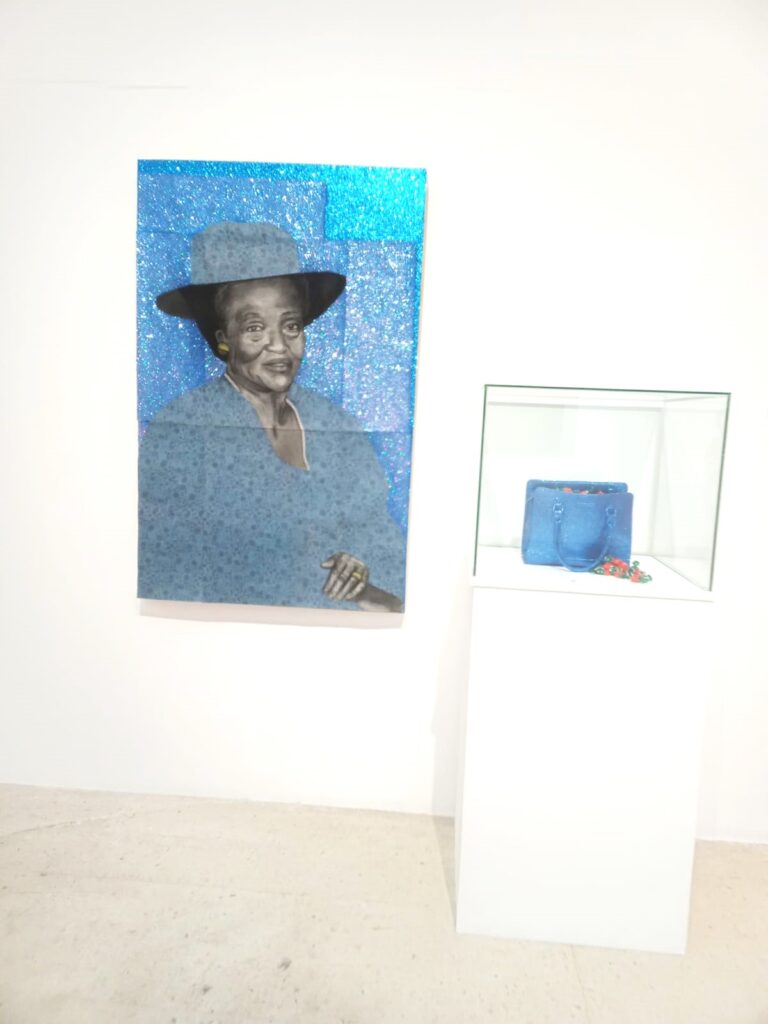
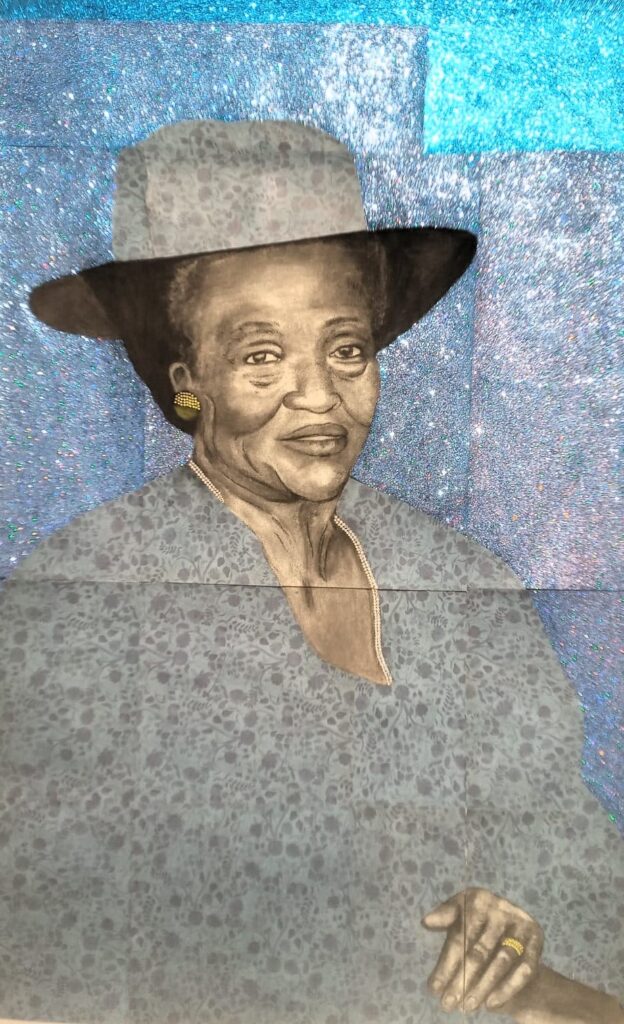
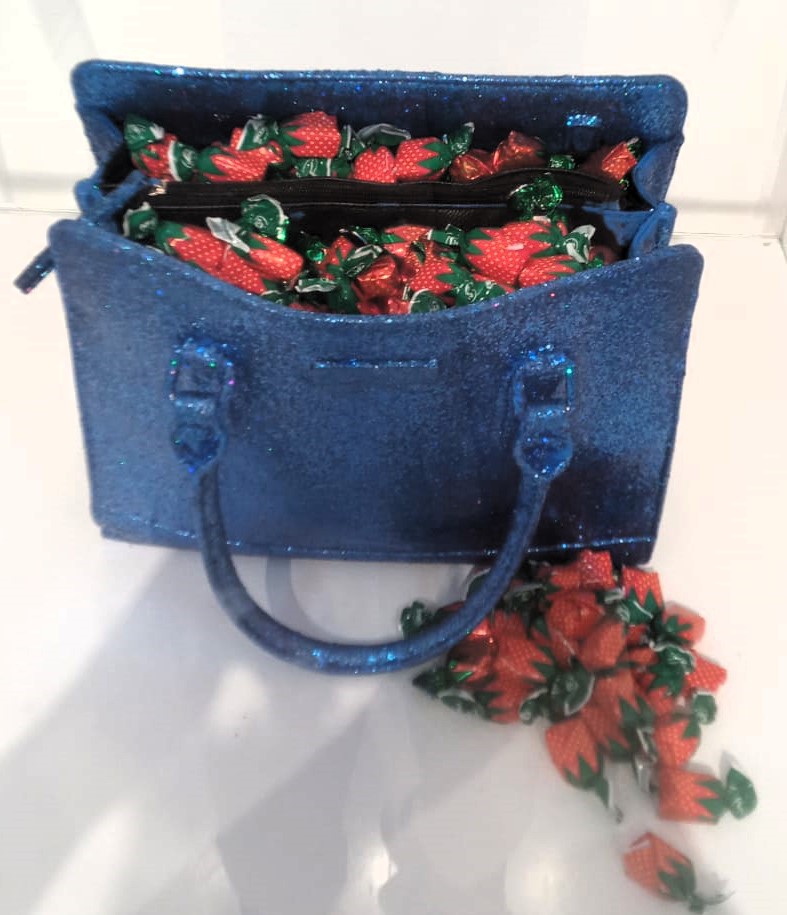
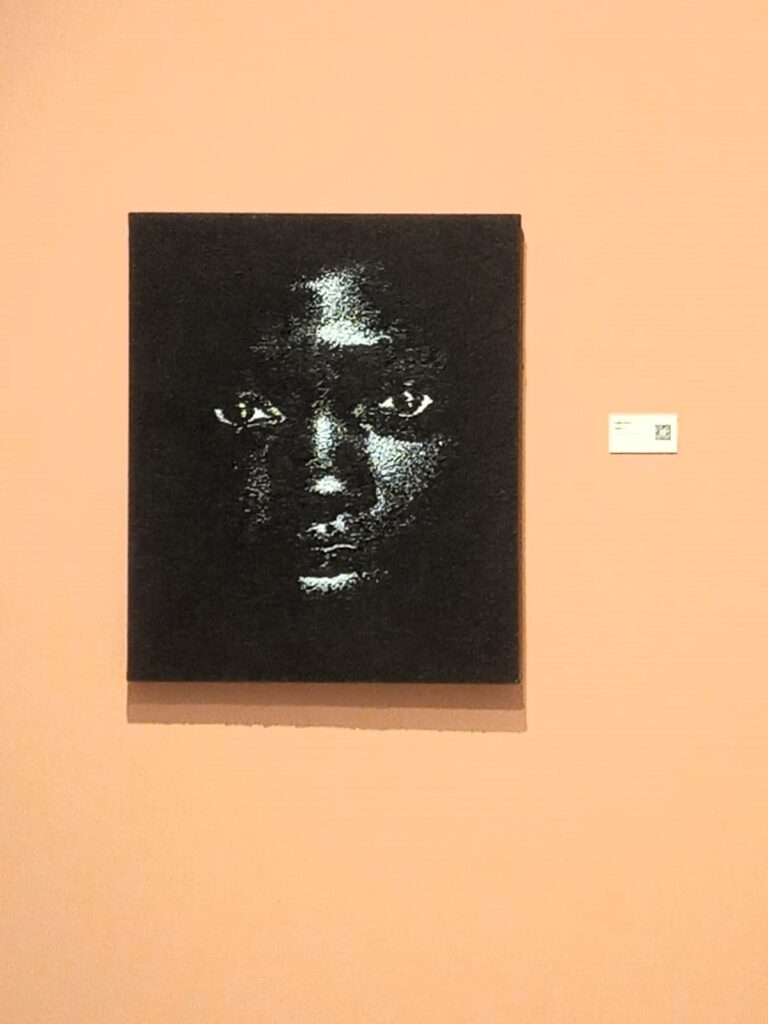
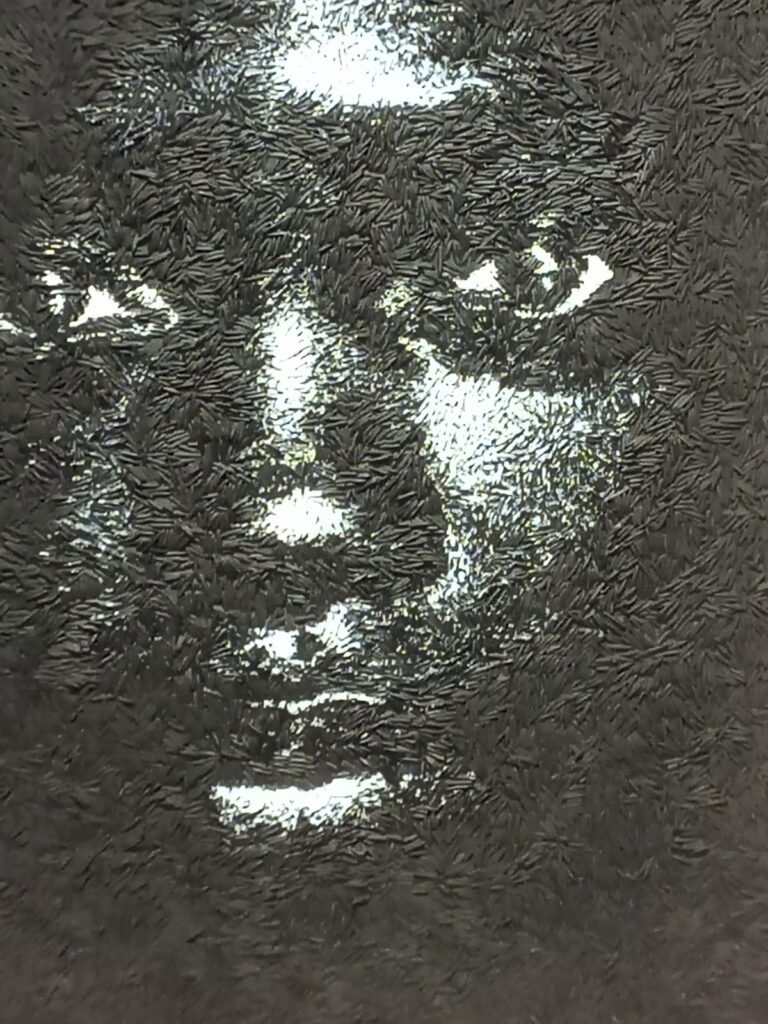
The Face of Us was curated by Monique Barnett-Davidson. The National Gallery of Jamaica is open Tuesdays to Sundays, except for public holidays. Check them out here
The Art and Culture Tour and Sunday Kingston City Tour visit the National Gallery. Check them out here.
This apparently was not well-known before and we’ve always been shocked by this. Well, actually, not really. The good news though is that now more and more people are waking up to this realisation.
So, we’ve been doing tours since 2010 and over the years we’ve seen a complete transformation on how Kingston is viewed. At first it was “why would anyone want to come to Kingston”. Now Kingston has been designated a Creative City of Music by UNESCO (yay), it’s been awarded as the Best Creative Destination worldwide (duh, lol), and with a host of celebrities from Burna Boy to Kerry Washington hyping up di ting, we can rejoice in the fact that the good news is spreading.
Of course, as we’ve been doing Kingston and cultural tours since 2010, we’re know quite a bit about this little complicated city. About where to go, who to talk to, and we love to help our clients create unforgettable memories. Check out our Kingston tours which take you all over with varied experiences from street art in the Downtown Kingston Art District, to the neighbourhoods from Fleet Street to Trench Town, to the music (it’s not just about Bob Marley**, folks), to the food (can you say “food coma”), to the history, to the parks, to the markets, to… you name it, we know it.
So, come to Kingston, check out the life, tour with us.
Give thanks,
Karen @ Jamaica Cultural Enterprises
Tours
** PS: We love Bob, don’t get us wrong, but we’ll introduce you to more